






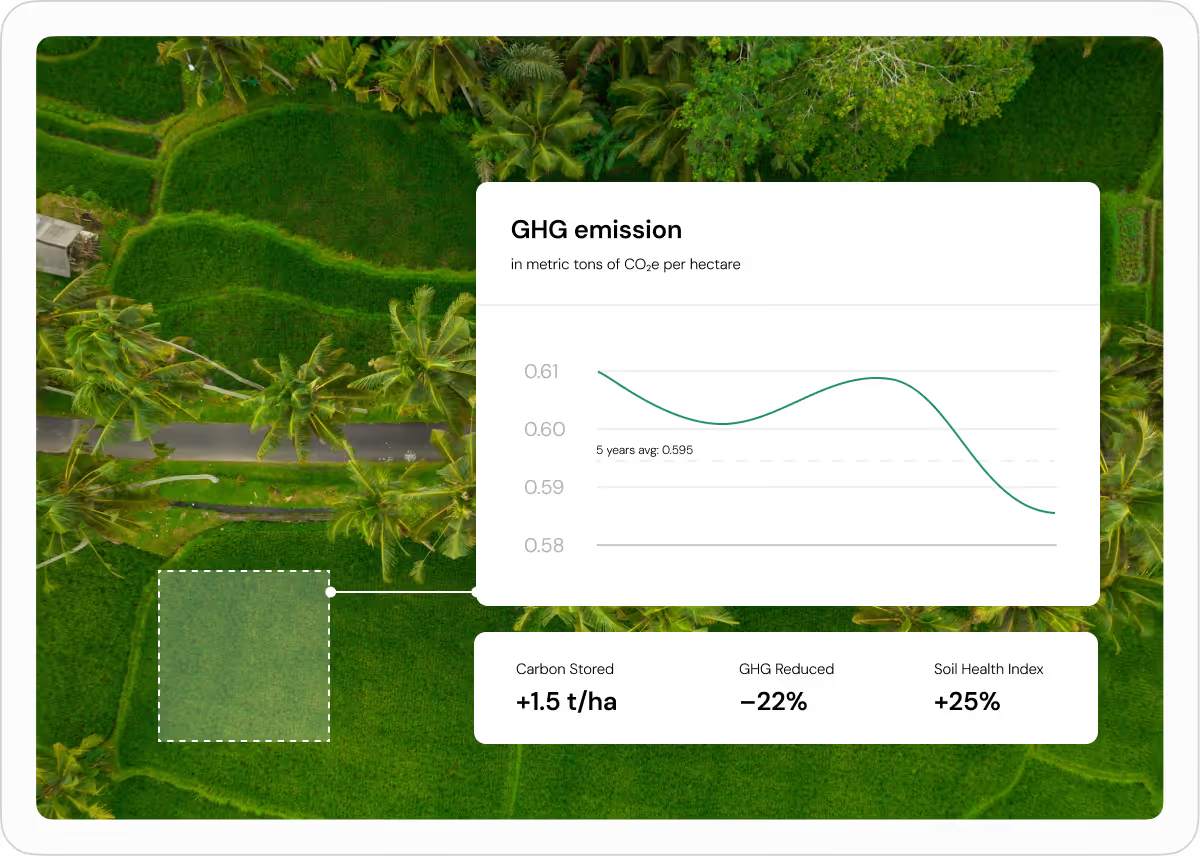





Numbers that nurture the earth
Blue square with two lighter blue right-angle shapes in the top-left and bottom-left corners.
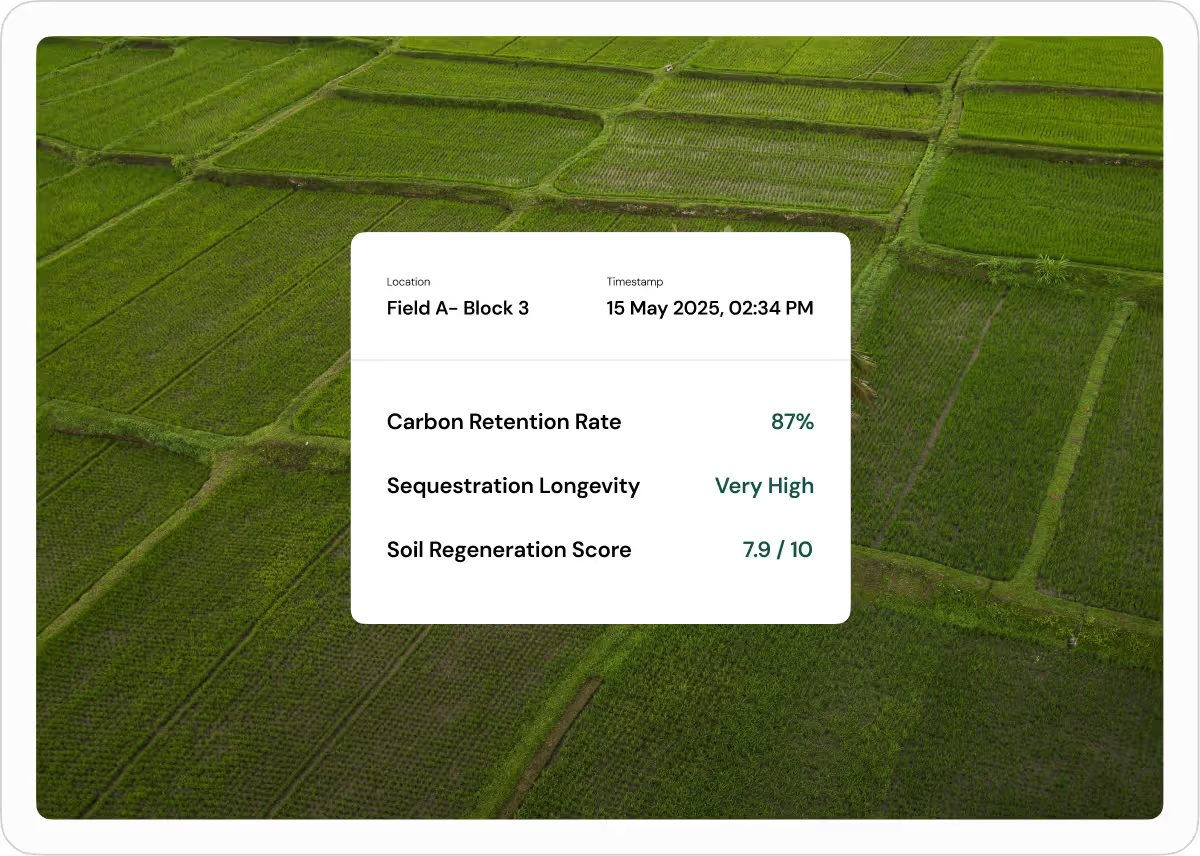
70%
Carbon retention.
Grid of orange squares in varying shades forming a symmetrical pattern.
<0.4
H/Corg ratio.
Dark green square with four slightly darker green rectangles arranged in a compass pattern.
50%
Lesser degradation rate.
Blue square with two lighter blue right-angle shapes in the top-left and bottom-left corners.
2x
Efficiency of sequestration.

A catalyst for change in the soil, in the supply chain, and agribusiness growth

Reducing inputs needs for farmers.
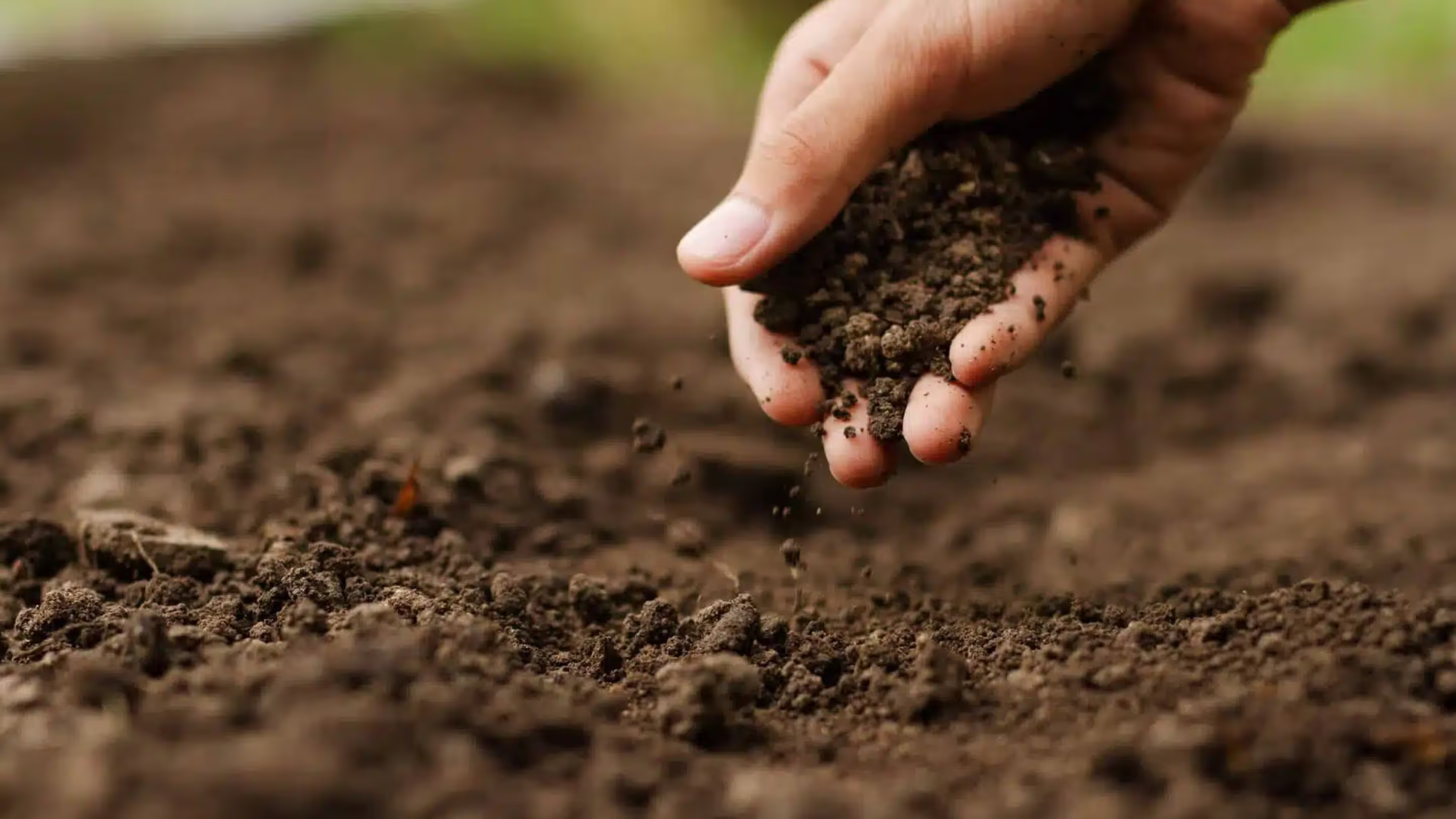
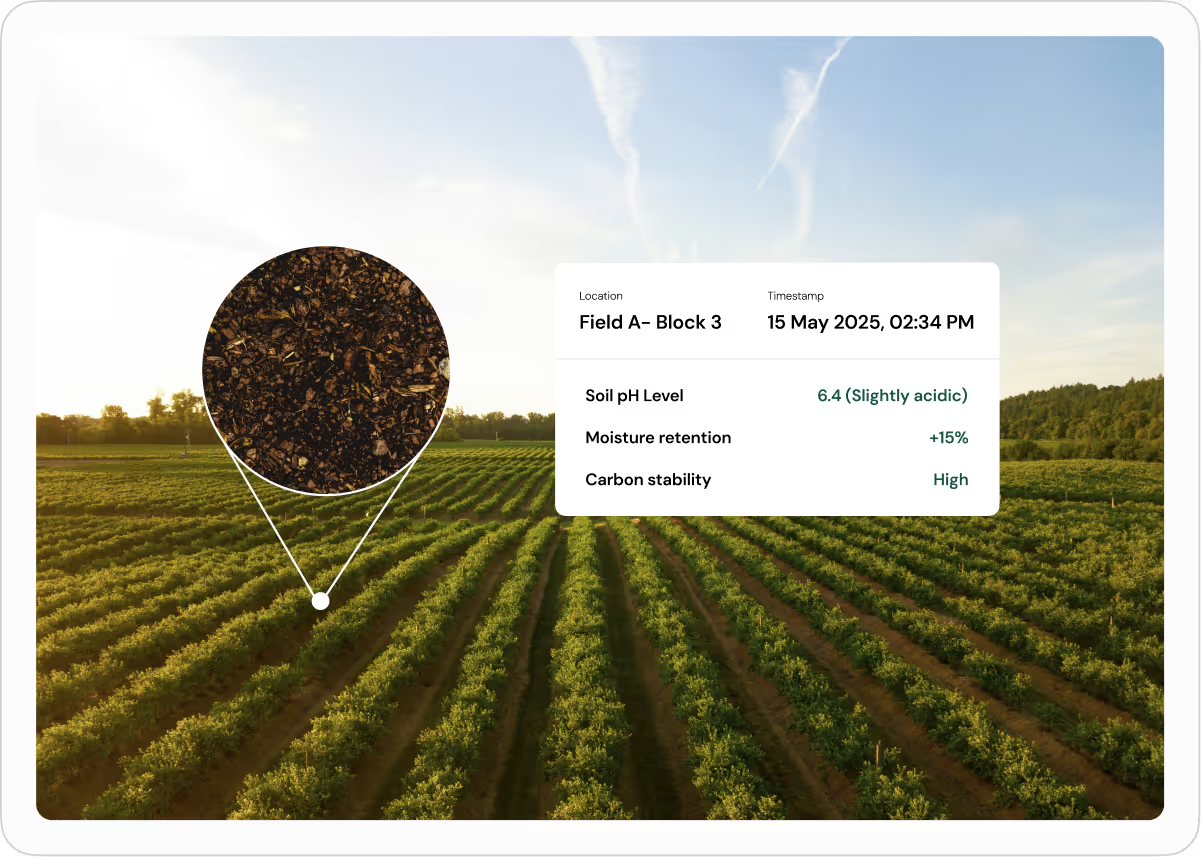
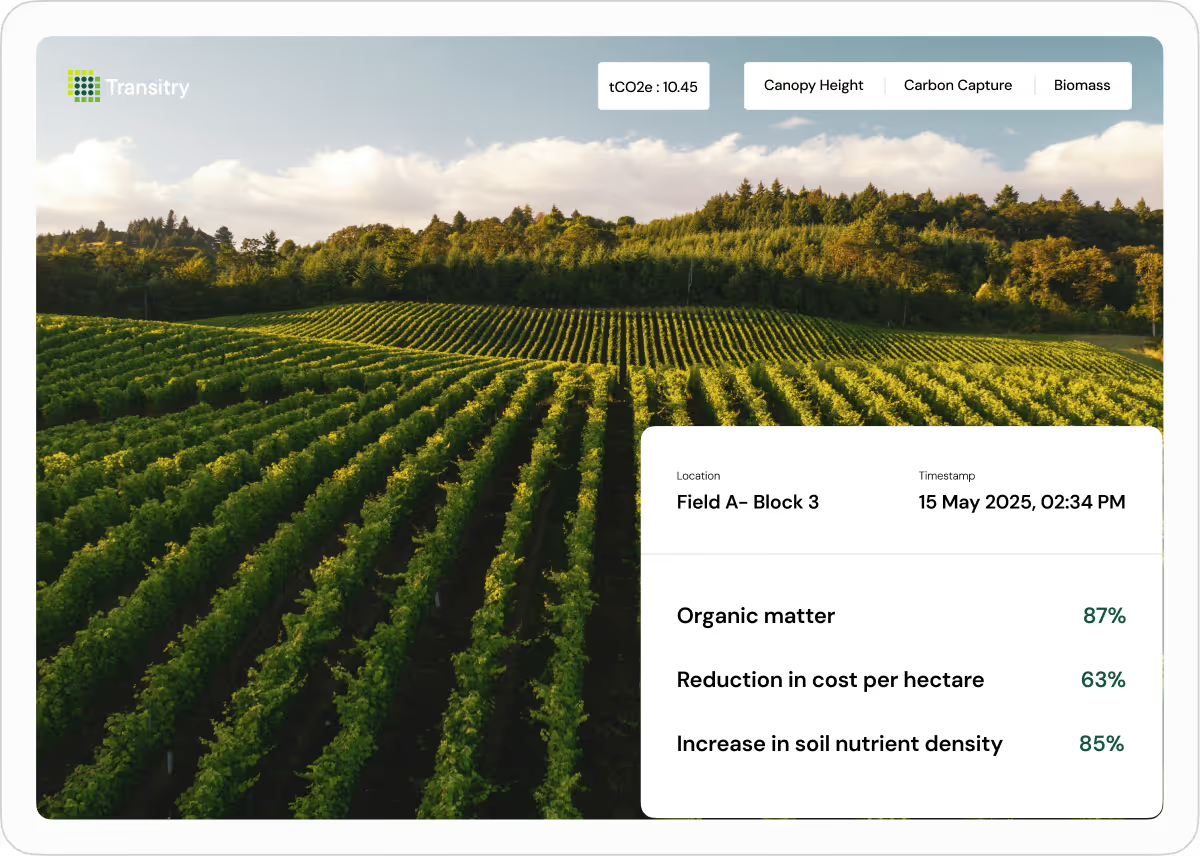
With biochar, less is more for your crops. It reduces the need for excessive fertilizers, lowering costs for farmers and making the soil more nutrient-dense.
Verified sustainability efforts that give you the edge.
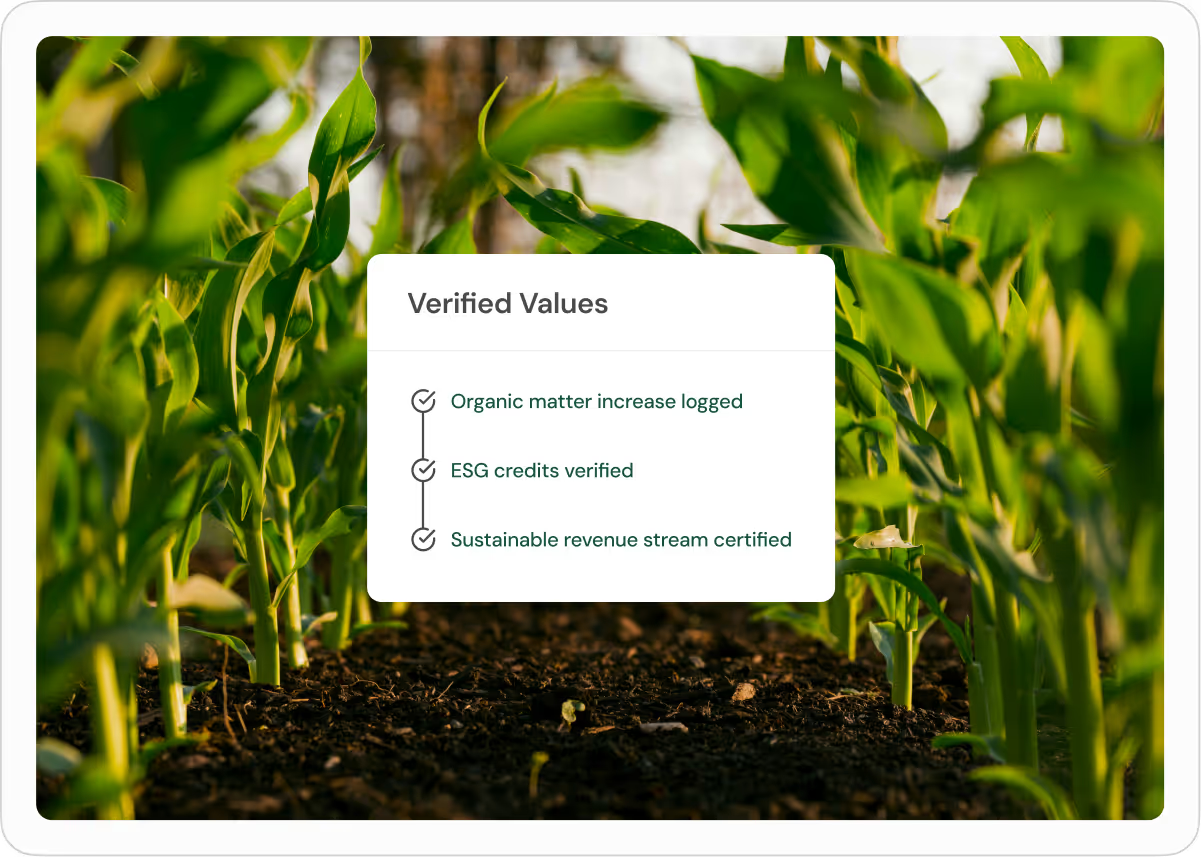
Including biochar into your farming practices can bring credibility to the table, helping you earn sustainability certifications and meeting supply chain requirements for eco-conscious businesses and consumers.
Sowing the seeds of climate resilience.
Let the earth hold what the sky cannot. Create a lasting impact for climate change by storing carbon in the soil, reducing GHGs, and improving soil health, all crucial in the fight for climate resilience.
Driving land value.
Biochar enhances soil health, improves fertility, and increases water retention, making your land more productive. With it, you are not only improving your yield but also increasing the long-term value of your property.
Transitry’s platform has made managing our projects so much easier. As a project leader, I can track progress, request any extra evidence when needed, and keep everything organized in one place. It's simplified our workflow and made it easier to show the real impact we're making.
William Roberts
Project Leader

From waste to worth in 4 steps

Cluster of dry, brown oak leaves scattered on dark forest ground.
01
Start with what nature gives you.
Use crop waste and rock dust to start carbon sequestration naturally.
Cluster of dry, brown oak leaves scattered on dark forest ground.
02
Enhance the process.
Finetune both the chemical properties and application methods of biochar with our chemical innovation, and integrate Enhanced Rock Weathering to boost moisture retention and increase carbon sequestration permanence.
03
Apply to soil.
Easily add biochar to your farming operations with minimal disruptions.
04
Verify your impact.
Track carbon retention and improvements in soil health in real time with our dMRV, ensuring your progress is measurable and trustworthy.

FAQs

Are the probe’s firmware and algorithms open to independent third-party security or data integrity audits?

Yes, Transitry facilitates code-level audits on request, especially for institutional clients requiring high-assurance compliance.

How quickly can the probe’s AI model be trained or updated when entering a new geographic region with unknown soil profiles?

Initial local calibration with the soil sample tested in the soil lab is sufficient to adapt the AI models within weeks, minimizing deployment delays.

What contingencies exist if the probe’s hardware malfunctions during critical field campaigns?

Modular components allow field-level swaps, and error logs can be remotely diagnosed by Transitry’s support for rapid issue resolution.

How can data from multiple users or small farms be aggregated for pooled reporting or collective carbon credit applications?

The platform securely supports data pooling across farms or projects with shared access controls, enabling cooperative verifications.

Can the probe distinguish between natural soil organic carbon and recent amendments like compost or biochar?

AI algorithms detect abnormal carbon spikes indicative of recent inputs, flagging these samples for additional verification.

What user guidance or automated checks prevent errors by non-expert operators in the field?

The probe features an interactive UI with step-by-step instructions and automatic quality control checks to ensure proper measurement technique.

How durable is the probe in harsh environments such as high moisture, saline soils, or rocky terrain?

The device meets industry-standard IP ratings for dust and water resistance, and includes diagnostics to alert users if environmental factors compromise data quality.

Is it possible to export raw spectral data for independent scientific validation or customized analysis?

Yes, raw spectral data can be exported along with the AI-processed measurements for third-party auditing or in-house research.

If I suspect a probe reading is inaccurate, how can I verify or challenge the measurement?

Users can flag suspect readings for review; the system suggests additional nearby scans and comparison with historical data to confirm results.

How does the Soil Probe’s AI recalibrate to seasonal changes or different soil conditions over time?

The AI model receives periodic updates based on new local reference samples, adapting continuously to seasonal variations and unique soil types for sustained accuracy.


Show more FAQs